
The Future of Industrial Radiators: Emerging Technologies
This is a subtitle for your new post
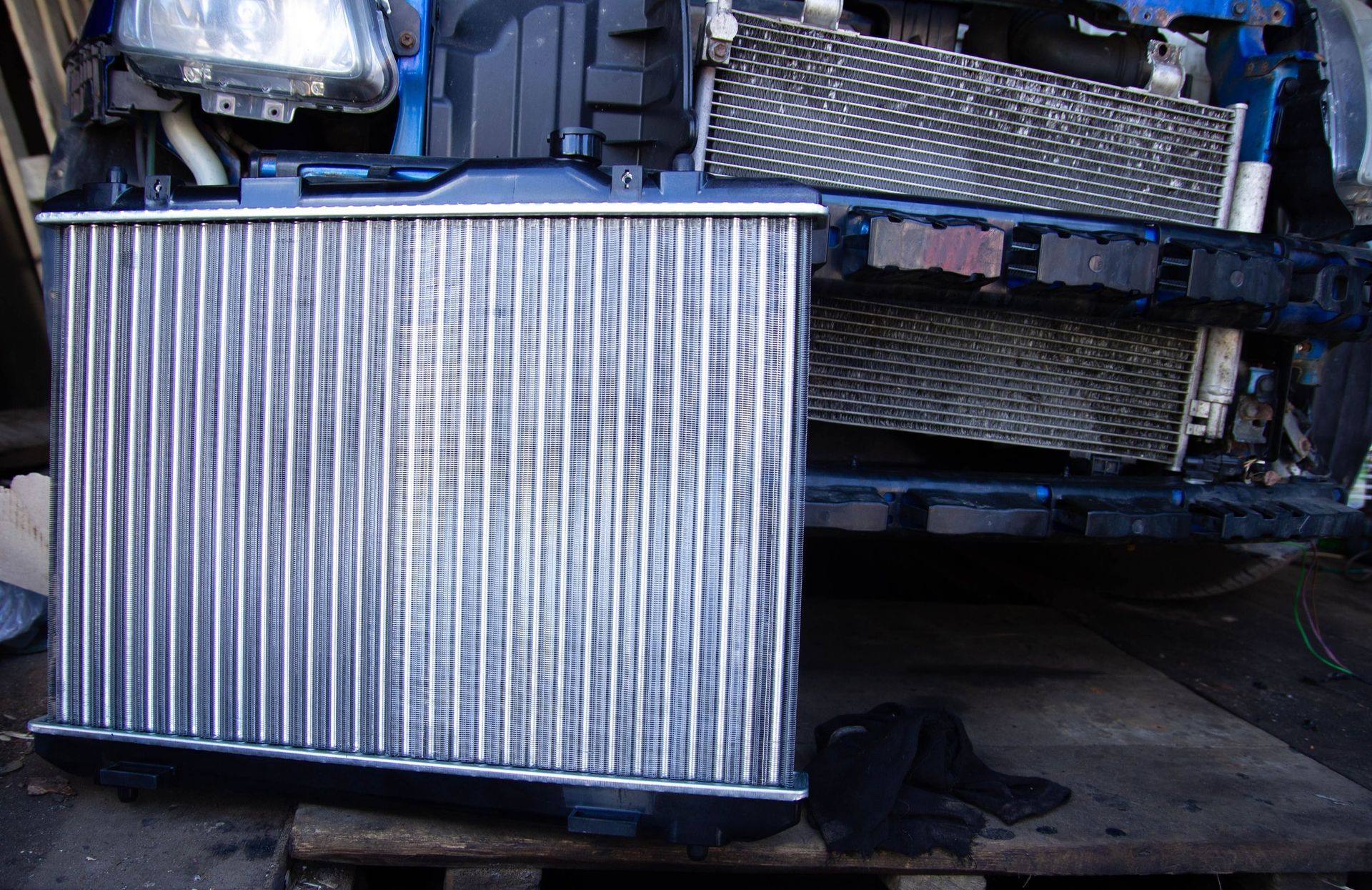
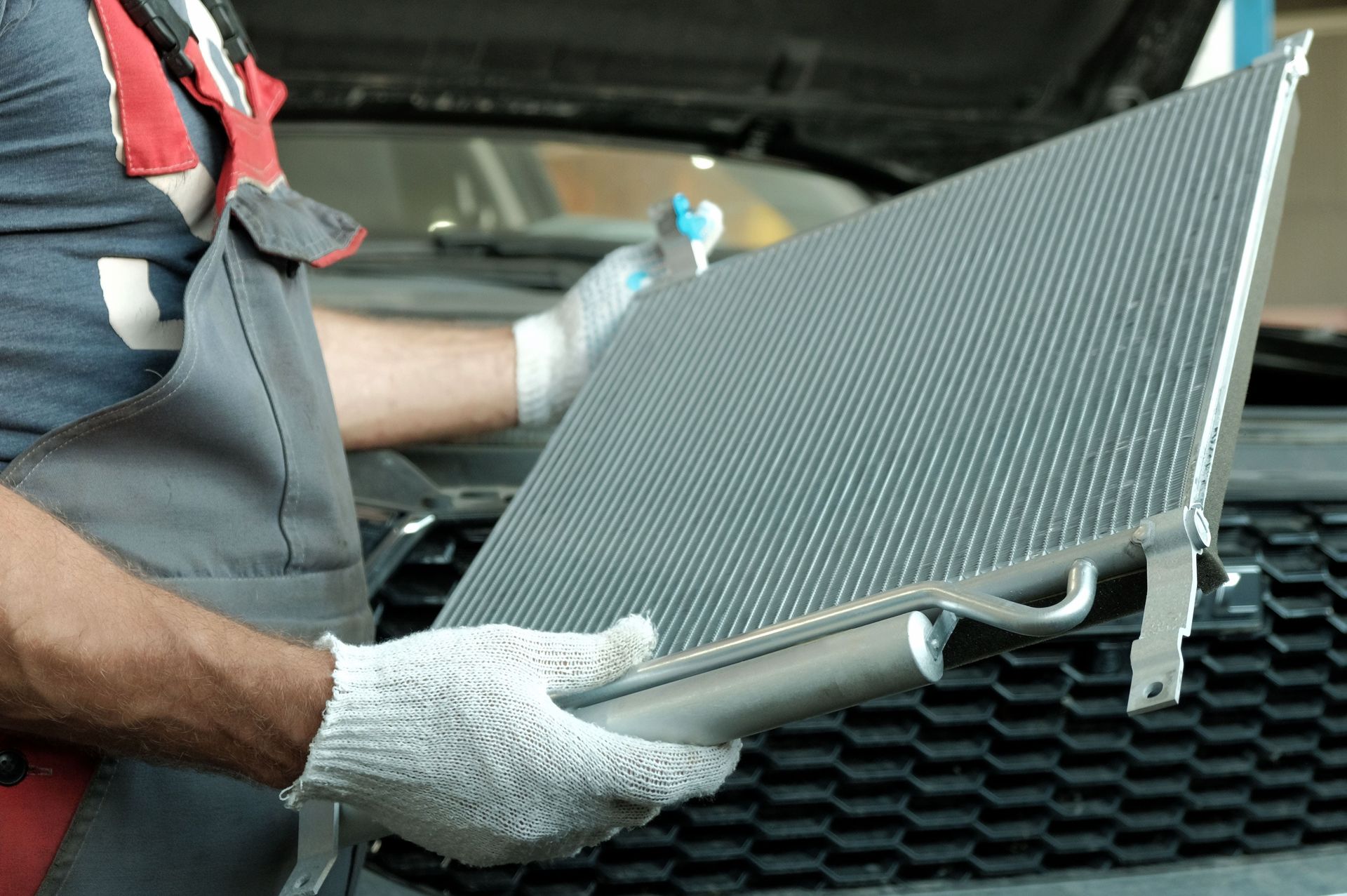
Industrial radiators play an integral role in regulating temperature control and heat dissipation in both engines and heating and cooling systems. Properly functioning radiators ensure that critical industrial machinery and HVAC systems operate as reliably and efficiently as possible.
Optimising energy use and lowering emissions are now major concerns for governments and companies across the globe. Emerging technologies are allowing us to develop new ways to lessen the environmental impacts of an industrial radiator and reduce operating costs. In this article, the team from Applied Radiators looks at how new tech is helping to transform industrial cooling systems.
Smart Radiators
The advent of the Internet of Things (IoT) has enabled industrial radiators to utilise sensors and connectivity to monitor temperature, performance, and maintenance needs in real time. Operators can be alerted to any issues immediately, which helps prevent breakdowns and downtime.
Lightweight and High-Strength Materials
Traditional radiator materials like steel and copper are being replaced by high-strength alloys and lightweight composites. These materials greatly enhance durability and efficiency. This trend is especially advantageous in commercial vehicles, where reducing weight can lead to significant fuel savings and improved vehicle performance.
3D-Printed Radiators
3D printing technology is enabling custom radiator designs tailored to specific industrial and automotive needs. The precise control over design and material placement makes 3D-printed radiators better at heat exchange, lighter and more durable than conventional radiators.
Sustainable, Eco-Friendly Coolant Alternatives
Radiator coolants are particularly harmful to the environment because they contain toxic chemicals that can contaminate soil and water supplies. Sustainable coolants that are less harmful to the environment. Sustainable coolant alternatives include glycerine-based products made from renewable vegetable oils like corn, soy, or canola. These eco-friendly alternatives help reduce emissions and support greener operations across various industries.
How New Radiator Tech Impacts Industries
These innovations in industrial radiator technology help industries reduce operating costs, improve energy efficiency, and reduce a company’s environmental footprint. Applied Radiators Ltd is committed to adopting these technologies to serve the needs of our customers.
Explore the future of radiator repair and maintenance with Applied Radiators Ltd. Contact us today to learn more!